
Beef farming is not a one-size-fits-all system. Across the world, farmers use different feeding methods based on climate, land availability, market demand, and tradition. Two of the most widely discussed systems are grass-fed and grain-fed beef farming. Understanding the differences between these approaches helps consumers make informed choices and gives insight into how diverse modern beef production really is.
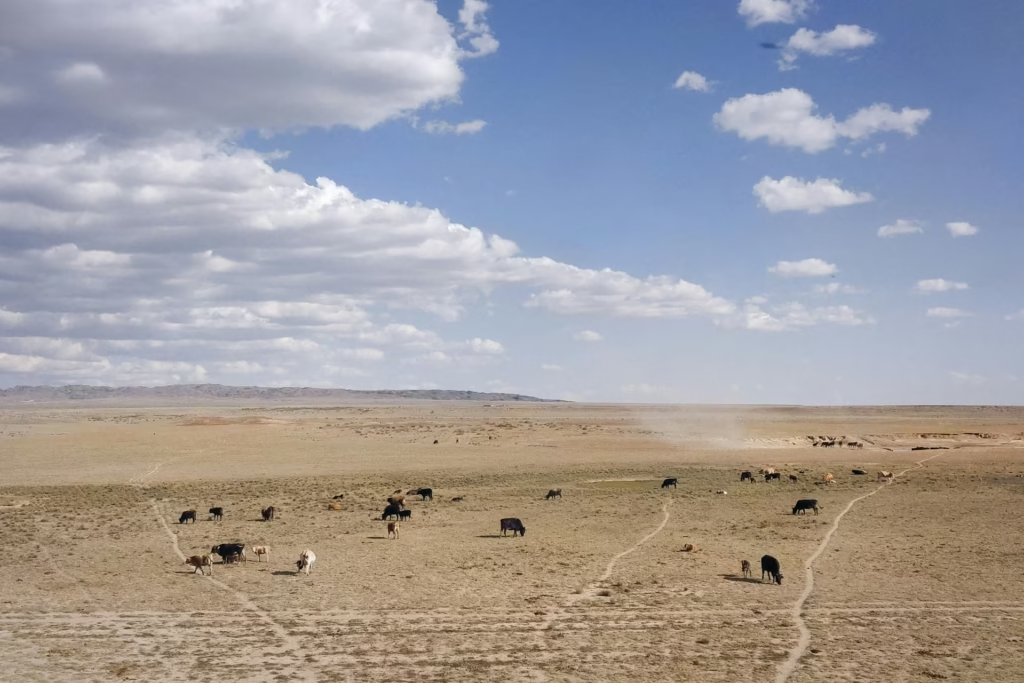
Grass-fed beef farms rely mainly on natural pastures where cattle graze for most or all of their lives. In this system, animals spend more time outdoors, moving freely and feeding on grasses and forage. Grass-fed farming is closely connected to land management, as healthy pastures are essential for animal nutrition and long-term sustainability. Many consumers prefer grass-fed beef because it is perceived as more natural and environmentally friendly when managed correctly.
Grain-fed beef farms, by contrast, supplement cattle diets with grains such as corn, barley, or wheat, particularly during the finishing stage. This method allows cattle to gain weight more efficiently in a shorter time. Grain feeding helps produce consistent meat texture and flavor, which is important for large-scale food supply and restaurant standards. It also allows farmers to make better use of feed resources and reduce overall production time.
Both grass-fed and grain-fed systems have advantages and challenges. Sustainability depends less on the feeding method itself and more on responsible management, animal welfare, and efficient use of land and resources. When done properly, both systems can support healthy cattle, productive farms, and high-quality beef.